Small Nonprofit Fundraising Ideas for DC, Maryland & Virginia Organizations
Published October 27, 2026
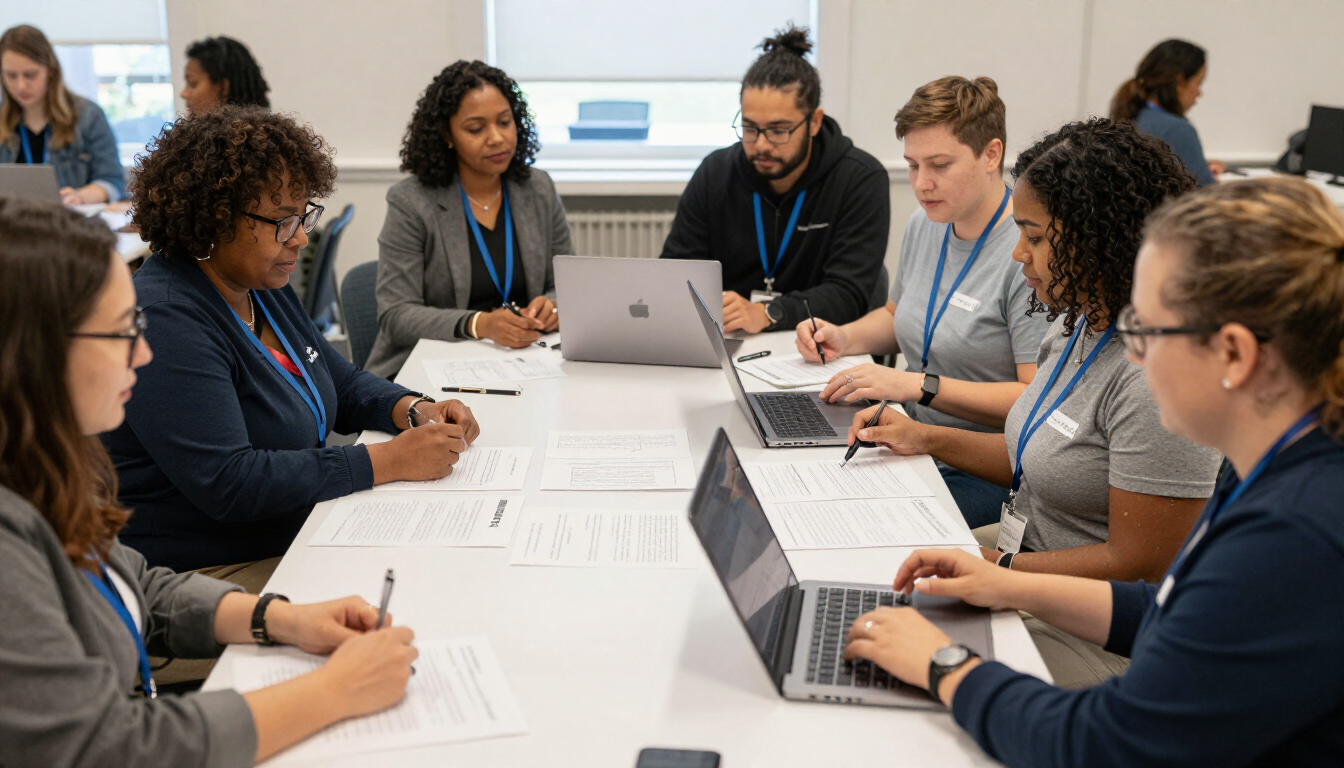
Small nonprofit organizations throughout Washington, DC, Maryland, and Virginia often work with limited budgets, small volunteer teams, and ambitious community goals. Whether an organization supports education, youth development, family services, community outreach, or another charitable mission, raising money requires planning and dependable participation. Fortunately, effective fundraising does not always require a large event or expensive campaign. The following ideas can help small DMV nonprofits explore practical fundraising approaches that fit their resources and communities.
Why Small Nonprofits Need Practical Fundraising Plans
Large organizations may have dedicated fundraising staff, established donor databases, and substantial marketing budgets.
Smaller nonprofits often rely on board members, volunteers, and supporters who manage fundraising alongside other responsibilities.
Before choosing a fundraiser, consider:
A manageable fundraiser with clear expectations may be more beneficial than an ambitious event that overwhelms the organization.
- The amount of money needed
- Available volunteers
- Potential expenses
- Supporter interests
- Planning time
- The organization's mission
1. Host a Small Community Fundraising Event
Community events can help nonprofits raise funds while introducing their mission to new supporters.
Possible activities include:
A nonprofit in Washington, DC might consider a convenient neighborhood venue, while a Maryland or Virginia organization may prefer a location closer to its existing supporters.
Before scheduling an event, estimate venue, food, equipment, insurance, and other expenses.
Calculate the expected net proceeds rather than focusing only on ticket revenue.
- Community breakfasts
- Fundraising luncheons
- Educational gatherings
- Family activity days
- Small ticketed social events
2. Organize a Mission-Focused Giving Campaign
A fundraising campaign tied to a specific goal can help supporters understand the purpose of their contributions.
For example, a nonprofit might raise money for educational supplies, outreach materials, or a planned community program.
These are illustrative examples, not claims about actual PartnerRaise organizations.
Explain the purpose, fundraising target, campaign timeline, and how contributions will be handled.
Keep supporters informed about progress and provide accurate financial information.
Do not claim contributions are tax-deductible unless the organization's status and the particular contribution support that claim.
3. Seek Support From Local DMV Businesses
Some small nonprofits may find opportunities to build relationships with businesses serving their communities.
A local business might consider sponsoring an approved activity, contributing supplies, or supporting a specific community project.
Organizations should prepare a clear sponsorship request explaining:
Avoid promising advertising benefits, attendance numbers, or promotional exposure that cannot be delivered.
A thoughtful local outreach effort may be more manageable than a large sponsorship campaign.
- The nonprofit's mission
- The activity or project
- The type of support requested
- How support will be acknowledged
- Who will manage the arrangement
4. Create a Volunteer-Led Fundraising Team
A small nonprofit does not necessarily need a large fundraising committee.
A few dependable volunteers can divide responsibilities such as:
Assign specific tasks and realistic deadlines.
Clear responsibilities can help prevent the same volunteers from carrying the entire workload.
- Coordinating activities
- Communicating with supporters
- Managing registrations
- Tracking expenses
- Preparing promotional materials
- Reporting fundraising results
5. Consider a Small Ticketed Fundraiser
Ticketed activities may be worth considering when an organization has supporters who enjoy social or educational gatherings.
Before committing, determine:
For example, selling 50 tickets at $40 would generate $2,000 in gross ticket revenue.
That is not the same as $2,000 in fundraising proceeds.
Venue costs, food, supplies, and other expenses must be deducted to estimate the financial benefit.
These numbers are illustrative only and do not represent an actual PartnerRaise event or earnings opportunity.
- The ticket price
- Estimated attendance
- Expenses per participant
- Potential unsold tickets
- Volunteer requirements
- Payment deadlines
- Cancellation terms
6. Explore Peer-to-Peer Fundraising
Peer-to-peer fundraising allows supporters to invite people in their own networks to contribute toward a nonprofit's goal.
For a small DMV nonprofit, volunteers might share an approved campaign with friends, relatives, colleagues, and community contacts.
The organization should provide consistent messaging and clear instructions for making contributions securely.
Use an appropriate donation system and maintain accurate contribution records.
This approach may help a nonprofit reach supporters beyond its immediate membership without organizing a large event.
7. Build Relationships With Community Partners
Small nonprofits may benefit from collaborating with other organizations when their missions and resources align.
Potential collaboration could involve sharing educational information, coordinating an approved activity, or supporting a community initiative.
Before entering an arrangement, clarify:
Do not assume another organization has agreed to participate until the arrangement is confirmed.
- Each organization's responsibilities
- Financial arrangements
- Use of names and logos
- Communication procedures
- Cancellation terms
- How proceeds will be handled
8. Evaluate Outside Fundraising Opportunities
Some nonprofits may prefer participating in an activity organized by another entity instead of managing every detail themselves.
Before accepting an opportunity, ask about participation requirements, upfront costs, potential proceeds, volunteer responsibilities, and financial risks.
Review written terms carefully.
Higher advertised earnings do not necessarily make an opportunity the best choice.
Choose activities that match the organization’s actual resources.
Fundraising Considerations Across DC, Maryland & Virginia
Nonprofits operating in the DMV should recognize that fundraising requirements can differ by jurisdiction.
Depending on the activity and organization, charitable solicitation registration, event permits, insurance, and other requirements may apply.
Organizations should check applicable rules before beginning fundraising.
In particular, nonprofit status and federal tax exemption do not automatically eliminate every state or local requirement.
For authoritative guidance, consult the government and regulatory resources listed in the Helpful Resources section below.
These are educational starting points, not a substitute for organization-specific legal or tax advice.
A Simple Fundraising Checklist for Small Nonprofits
Before beginning a fundraising activity, review the following:
Taking time to answer these questions can help organizations avoid unnecessary financial and administrative challenges.
- Is the fundraiser consistent with our mission?
- Have we established a realistic financial goal?
- Do we understand the potential expenses?
- Do we have enough volunteers?
- Will our supporters be interested?
- Is the timeline manageable?
- Have we reviewed applicable requirements?
- Do we understand how funds will be collected?
- Can we track revenue and expenses accurately?
- Do we have a plan to communicate results?
How PartnerRaise Supports DMV Organizations
PartnerRaise is building a network of organized groups throughout Washington, DC, Maryland, and Virginia interested in learning about future fundraising opportunities.
During its initial recruitment phase, organizations can share their fundraising interests and preferred participation periods.
Small nonprofits, alumni associations, church ministries, civic groups, and other organized groups may express interest.
There is no cost to join the PartnerRaise interest network, and joining does not obligate an organization to participate in future opportunities.
Specific opportunities, availability, financial terms, and potential earnings will depend on future arrangements.
Joining does not guarantee participation or fundraising income.
Final Thoughts
Small nonprofit fundraising does not have to begin with an expensive event or complicated campaign.
Organizations throughout DC, Maryland, and Virginia can explore practical activities that match their missions, volunteer capacity, and supporter interests.
The strongest fundraising approach is one the organization can manage responsibly while maintaining clear financial expectations.
Interested in learning about future fundraising opportunities in the DMV? Join the PartnerRaise interest network to share your organization’s interests and preferred fundraising periods.
Key takeaways
- Effective fundraising for small nonprofits starts with a practical plan that matches the organization’s budget, volunteers, and mission.
- Community events, mission-focused giving campaigns, local business support, and peer-to-peer fundraising can all work for small DMV nonprofits when scaled to available resources.
- Always estimate net proceeds rather than focusing on gross revenue, and confirm expenses before committing to a ticketed event.
- Fundraising requirements can differ across DC, Maryland, and Virginia, so check applicable charitable solicitation, permit, and insurance rules before beginning.
- There is no cost to join the PartnerRaise interest network, and joining does not obligate an organization to participate or guarantee fundraising income.
Frequently asked questions
What are good fundraising ideas for small nonprofits in the DMV?
Practical options include small community events, mission-focused giving campaigns, local business sponsorships, volunteer-led fundraising teams, ticketed activities, and peer-to-peer fundraising. The best choice depends on the nonprofit’s budget, volunteers, supporters, and mission.
How can a small nonprofit fundraise with a limited budget?
Focus on low-budget nonprofit fundraising ideas such as direct giving campaigns, peer-to-peer fundraising, and local sponsorships that require little or no upfront cost. Estimate expenses and net proceeds before committing, and start with a manageable scale.
Are contributions to a small nonprofit tax-deductible?
Not automatically. Tax deductibility depends on the organization’s legal and tax status and the specific contribution. Do not describe contributions as tax-deductible unless the organization’s status and the particular contribution support that claim.
Do nonprofit fundraisers require permits or registration in DC, Maryland, or Virginia?
They can. Depending on the activity and jurisdiction, charitable solicitation registration, event permits, insurance, or other requirements may apply. Nonprofit status and federal tax exemption do not automatically eliminate every state or local requirement, so check applicable rules before fundraising.
How many volunteers does a small nonprofit need to run a fundraiser?
It depends on the activity. A giving campaign or peer-to-peer effort can be managed by one or two people, while community events and ticketed activities usually need several volunteers for planning, promotion, and coordination.
Does joining PartnerRaise cost anything or obligate participation?
No. There is no cost to join the PartnerRaise interest network and no obligation to participate in future opportunities. Joining does not guarantee participation or fundraising income.
Become a Partner Organization
There is no cost to join and no obligation to participate in future opportunities.
Become a Partner Organization